






 Technology
Five signs it's time to book a hygiene visit


In short
- Bleeding gums are not normal. They are usually the first sign of gum inflammation.
- Hardened tartar cannot be brushed away at home; it needs a professional clean.
- Most people need a hygiene visit every six months, some more often.
Gum disease is one of the most common reasons adults lose teeth, and in its early stages it is almost always painless. That is exactly why it gets missed. As a hygienist, I spend a lot of my day with patients who wish they had come in sooner. These are the five signs I would never ignore.
1. Your gums bleed when you brush or floss
Many people think a little pink in the sink is normal. It is not. Healthy gums do not bleed with ordinary brushing. Bleeding usually means plaque has been sitting along the gumline long enough to cause inflammation, known as gingivitis.
The good news is that gingivitis is reversible. A professional clean removes the build-up, and with good brushing and daily cleaning between the teeth, gums typically settle within a couple of weeks. Left alone, it can progress to periodontitis, where the support around the teeth starts to break down. That damage cannot be fully reversed.
2. Bad breath that does not go away
Everyone has morning breath. Breath that stays unpleasant through the day, even after brushing, often comes from bacteria living in plaque and tartar around the gums, between the teeth or on the tongue. A thorough clean, plus advice on cleaning between teeth and your tongue, solves most cases. If it persists, we look for other causes such as a dry mouth, an old filling that traps food or a problem outside the mouth that needs your doctor.
3. Tartar you can see or feel
Plaque that is not removed hardens into tartar, also called calculus, within days. You may notice a rough, yellowish or brown line along the gumline, most often behind the lower front teeth where the saliva glands are. Once it has hardened, a toothbrush cannot remove it. Tartar gives plaque a rough surface to cling to and keeps the gums inflamed, so it needs to be removed with professional instruments.
4. Sensitive teeth or gums that look longer
If cold drinks suddenly make you wince, or your teeth look longer than they used to, your gums may be receding and exposing the root surface. Causes include gum disease, brushing too hard and grinding. Sensitivity can also point to a cavity or a cracked filling. None of these fix themselves, and all of them are easier to manage when they are caught early.
5. It has been more than six months
Sometimes the clearest sign is simply the calendar. For most adults we recommend a hygiene visit every six months. Some people benefit from coming more often, every three or four months, including those with a history of gum disease, diabetes, a dry mouth from medication, and people who smoke. Pregnancy can also make gums more prone to bleeding, so an extra visit is often worthwhile.

What happens at a hygiene visit
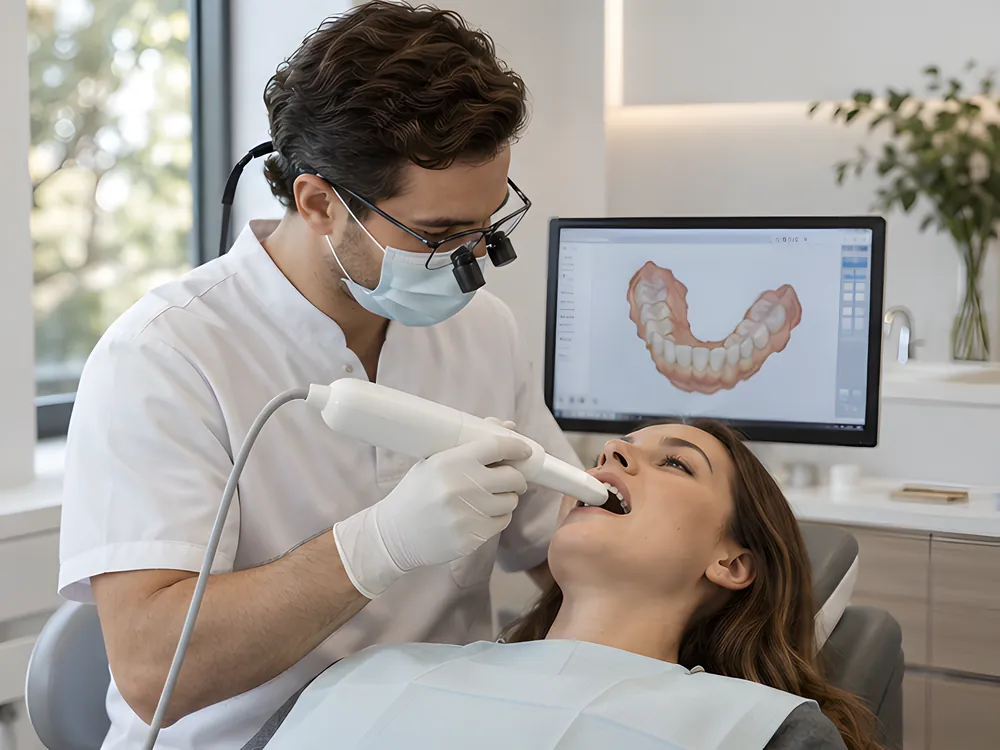
A hygiene appointment is calm and fairly quick. We check your gums, measuring any pockets around the teeth, then remove plaque and tartar above and just below the gumline, polish away surface stains and show you where your brushing is missing. If your gums are sensitive, we can use a numbing gel or a gentler setting. At Aveline, a hygiene clean is part of the standard check-up and cleaning, so you see the dentist and the hygienist in one visit.
If any of these five signs sound familiar, it is worth booking in. Most of what I see can be sorted with one good clean and a few small changes at home.
Anna Weiss
Anna runs our hygiene programme and sees most patients at their six-monthly visits. She is known for gentle cleans and practical advice that people actually follow at home.
Full profile